
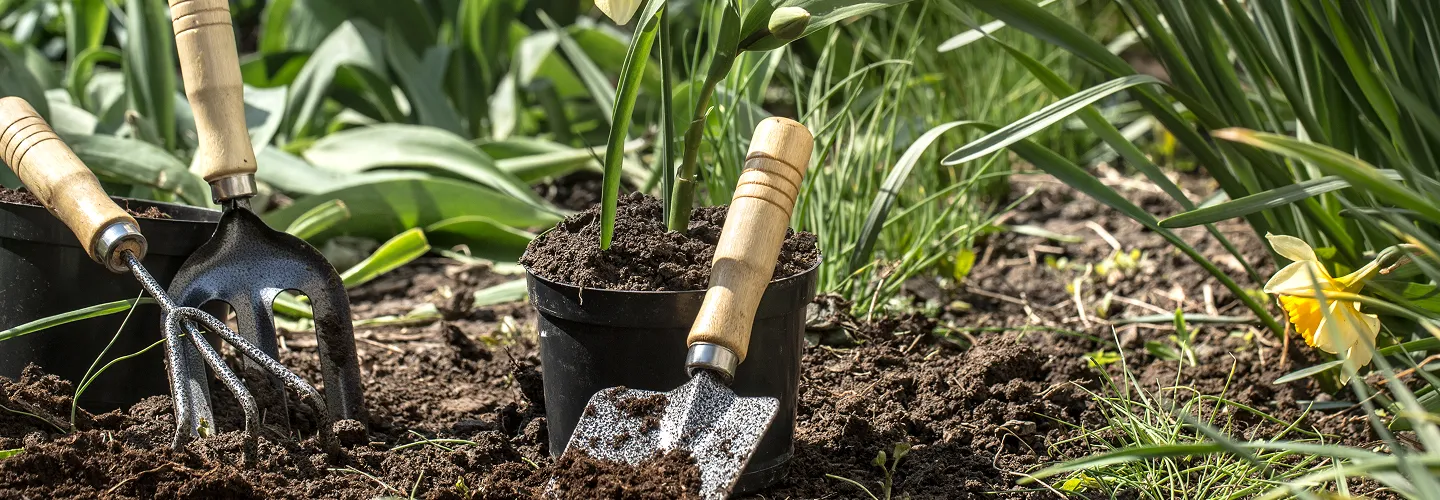
Wethersfield Lawn Edging Services
Choose our expert lawn edging for a polished, professional look that boosts curb appeal and keeps your landscape neat all season long.
Get a Free QuoteOur Wethersfield Landscaping & Yard Care Services
When to Schedule Lawn Edging in Wethersfield, Connecticut – Seasonal Guide
In Wethersfield, Connecticut, the best times to schedule lawn edging are typically in early spring and late summer. The region’s climate, with its cold winters and humid summers, means that edging is most effective after the last frost—usually in late April or early May—when the soil is workable and new grass growth begins. Late summer, after the peak heat and before autumn leaves start to fall, is another ideal window, as it helps maintain crisp lawn borders through the changing seasons. Neighborhoods near Mill Woods Park and Old Wethersfield often experience varying shade coverage and soil types, which can influence the timing and frequency of edging services.
Local environmental factors such as the risk of late spring frosts, periods of summer drought, and the prevalence of clay-heavy soils in areas like Griswoldville all play a role in determining the optimal schedule. Homeowners should also consider municipal guidelines and seasonal restrictions, which can be found on the town’s official website, to ensure compliance with local landscaping ordinances.
Local Factors to Consider for Lawn Edging in Wethersfield
- Tree density and shade coverage, especially in historic districts
- Soil composition (clay vs. loam) affecting edge definition
- Average precipitation and risk of summer drought
- Frost dates and spring soil thaw
- Terrain slope and drainage patterns
- Municipal restrictions or neighborhood association guidelines
Benefits of Lawn Edging in Wethersfield

Enhanced Curb Appeal
Professional and Reliable Service
Long-Lasting Edging Solutions
Customized Landscaping Designs
Efficient Project Completion
Competitive Local Pricing

Wethersfield Lawn Edging Types

Brick Lawn Edging
Brick edging offers a classic and durable border for your landscape.
-
Metal Lawn Edging
Metal edging provides a sleek, modern look and long-lasting performance.
-
Plastic Lawn Edging
Plastic edging is flexible, affordable, and easy to install for various garden shapes.
-
Stone Lawn Edging
Stone edging creates a natural, elegant boundary for flower beds and lawns.
-
Concrete Lawn Edging
Concrete edging delivers a sturdy and customizable solution for landscape borders.
-
Wood Lawn Edging
Wood edging adds a rustic charm and blends seamlessly with garden environments.
-
Rubber Lawn Edging
Rubber edging is eco-friendly, flexible, and safe for family-friendly landscapes.
Our Lawn Edging Process
Site Evaluation
Marking Edges
Cutting the Edge
Debris Removal
Final Inspection
Why Choose Wethersfield Landscape Services

-
Wethersfield Homeowners Trust Us
-
Expert Lawn Maintenance
-
Reliable Seasonal Cleanup
-
Competitive Pricing
-
Professional Team
-
Satisfaction Guarantee
-
Personalized Service
Wethersfield’s Glacial Till Soils and Lawn Edging Depth Requirements
Wethersfield’s predominant soils, as identified by the USDA Web Soil Survey, are Inceptisols and Ultisols formed from glacial till, which are typically rocky, moderately acidic (pH 5.5-6.5), and often poorly drained. These conditions require careful planning for lawn edging installations. For optimal root barrier effectiveness and to prevent grass encroachment, edging should be installed to a depth of 4-6 inches, with additional consideration for drainage in areas with a seasonal water table at 12-18 inches. Soil amendments such as lime may be necessary if pH falls below 6.0. Residents are encouraged to conduct a soil test through UConn Extension (typical cost: $15-25) before installation. Incorporating 2-3 inches of compost tilled to a 6-inch depth can improve structure and drainage.
Wethersfield Department of Public Works
505 Silas Deane Highway, Wethersfield, CT 06109
Phone: (860) 721-2846
Official Website: Wethersfield Department of Public Works
provides technical guidance on soil management for municipal projects.
Municipal Lawn Edging Ordinances and Equipment Operation Hours in Wethersfield
Lawn edging activities in Wethersfield are subject to municipal noise and equipment ordinances. According to local code, powered lawn equipment may be operated during the following hours:
- Monday-Friday: 7:00 AM - 7:00 PM
- Saturday: 8:00 AM - 6:00 PM
- Sunday and holidays: Prohibited All edging installations must maintain a minimum 25-foot buffer from designated wetlands and a 50-foot setback from property lines in conservation areas, as enforced by the Wethersfield Conservation and Inland Wetlands Commission. Permit applications for work within regulated areas require a $50 fee and a 10-business-day review period. Proper disposal of sod and soil debris is required; use biodegradable bags or 32-gallon containers for Thursday curbside collection, April through November.
Wethersfield Conservation and Inland Wetlands Commission
505 Silas Deane Highway, Wethersfield, CT 06109
Phone: (860) 721-2836
Official Website: Wethersfield Conservation and Inland Wetlands Commission
Stormwater Compliance and Environmental Protection for Lawn Edging in Wethersfield
Lawn edging projects in Wethersfield must comply with the town’s MS4 stormwater permit, which prohibits the discharge of soil, sod, or grass clippings into storm drains, as mandated by the Clean Water Act and enforced by the Connecticut Department of Energy and Environmental Protection (CT DEEP). Maintain a 25-foot no-disturbance buffer from wetlands and watercourses, including areas near the Connecticut River and Mill Woods Park. Fertilizer and herbicide applications are restricted within 50 feet of water bodies to prevent nutrient runoff. Residents should consult the EPA Region 1 for additional federal compliance guidance. Best practices include:
- Collecting all debris for proper disposal
- Avoiding edging during heavy rain events (check National Weather Service)
- Using only approved biodegradable edging materials in sensitive areas
Professional Standards and Safety Protocols for Lawn Edging in Wethersfield
All lawn edging work in Wethersfield must adhere to professional safety and equipment standards. Operators are required to use:
- Eye protection: ANSI Z87.1 safety glasses
- Hearing protection: Earmuffs or plugs for 85+ dB noise
- Footwear: Steel-toed boots with non-slip soles
- Gloves: Cut-resistant for edging, chemical-resistant for herbicide use Commercial-grade edging equipment must be maintained with blade sharpening every 20-25 hours of use. When working within 15 feet of public roads or sidewalks, high-visibility vests are mandatory. Traffic control measures, including advance warning signs and safety cones, are required for projects adjacent to municipal rights-of-way. For work near public shade trees, coordinate with the
Wethersfield Tree Warden
505 Silas Deane Highway, Wethersfield, CT 06109
Phone: (860) 721-2846
Official Website: Wethersfield Tree Warden
for guidance on root protection and tree preservation.
What Neighborhoods Do We Serve Throughout Wethersfield, CT?
- Old Wethersfield: Characterized by historic properties and mature shade trees, this area often features compacted glacial till soils and requires careful attention to root protection and compliance with historic district guidelines.
- Highcrest: Known for larger lots and moderate slopes, Highcrest presents challenges with drainage and may require deeper edging installation to prevent turf encroachment on sloped lawns.
- Griswoldville: This neighborhood’s proximity to wetlands and the Connecticut River necessitates strict adherence to buffer requirements and stormwater management protocols.
- Wolcott Hill: With a mix of older and newer developments, soil compaction and variable pH levels are common, making soil testing and amendment especially important for effective edging.
- Mill Woods: Adjacent to Mill Woods Park, this area features poorly drained soils and frequent seasonal water table fluctuations, requiring raised edging and enhanced drainage solutions.
- Elmwood: Dense residential development and narrow lot lines in Elmwood demand precise adherence to property setbacks and careful debris management during edging projects.
- Pyquag Village: Modern subdivisions with HOA oversight, where uniform edging standards and regular maintenance are enforced to maintain community appearance and compliance.